What Makes an Assisted Living Area Feel Like Home?
Home is not simply a roofing system, a layout, or a favorite chair in the edge. For older adults taking into consideration assisted living, "home" typically suggests something far more sensible and even more individual. It means knowing where the coffee remains in the morning, acknowledging the people who walk by your door, really feeling risk-free adequate to rest well, and having enough selection left in the day to feel like yourself.
That is why 2 assisted living areas can supply almost the very same solutions on paper and still really feel totally different in reality. One may be tidy, reliable, and well-run, however really feel impersonal. Another might have the very same degree of care, yet somehow feel warmer the minute you walk in. The difference typically boils down to information that are very easy to ignore if you are only contrasting pamphlets, regular monthly rates, or searching for "assisted living near me" on a phone late at night.
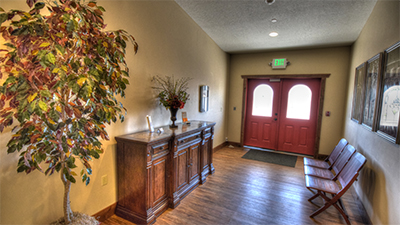
A home-like neighborhood is rarely improved one huge function. It is normally the result of many small, stable options made by management, team, residents, and family members. The shades on the walls matter a little. The food matters more than people expect. The means staff members welcome locals matters each and every single day. So does privacy, autonomy, and whether a resident can keep their routines intact, even as they obtain help with bathing, medication suggestions, dressing, or meals.
Familiarity brings more weight than luxury
People in some cases assume that a home-like atmosphere needs to appear like a developer model apartment. In technique, the reverse is often true. A location can be stunning and still really feel cool if it is also brightened to be lived in. What most homeowners react to is knowledge. A favorite reclining chair, a family patchwork, mounted photographs, a light from home, and a bookshelf that mirrors a life well lived can alter the feel of an area more than costly furniture ever will.
The best assisted living neighborhoods understand this. They do not treat customization as a minor detail. They motivate it due to the fact that it aids homeowners orient themselves, loosen up, and preserve identification. Relocating from a longtime residence to senior living can feel disorienting, especially for someone who has spent decades in one area. Recreating a feeling of connection helps bridge that gap.
I have seen residents settle in faster when their house door has a wreath they picked themselves, or when their washroom rack is organized in the very same order they used for several years. Small connection issues. It is not sentimental decor. It is practical reassurance. It informs the mind, "This is still my life."
The tone of the staff shapes everything
People often concentrate initially on the physical setup, but the real ambience of a community is created by the personnel. Residents notice whether team members speak to them or about them, whether they knock before getting in, whether they bear in mind names, and whether they seem hurried or genuinely present.
The ideal personnel in assisted living do greater than full tasks. They construct partnerships via repetition and uniformity. They understand that suches as solid coffee, that prefers a quieter lunch table, and that becomes nervous when regular adjustments. Those details might appear small from the outdoors, but they are the difference in between feeling managed and sensation cared for.
An area can have superb clinical procedures, yet if the tone is hurried or transactional, locals feel it right away. People of any type of age can notice when a place is only performing service. Older grownups are particularly efficient reviewing whether they are really seen. A warm welcoming at morning meal, an unhurried discussion in the corridor, or a caretaker that notices that a person is quieter than usual can change the emotional environment of a whole wing.
That is why family members searching for senior care near me should pay attention not only to qualifications, yet to the rhythm of everyday interactions. Does staff appear to recognize homeowners by name? Do they make eye get in touch with? Do they appear to delight in existing? Those monitorings inform you a wonderful deal.
Control over life maintains dignity
One of one of the most ignored components of a home-like assisted living setup is option. Older adults seldom desire complete freedom in the abstract. They desire enough control to protect self-respect. They wish to choose when to get up preferably, what to use, where to rest, whether to join an activity, and how much assistance they want with personal care.
This issues greater than people recognize. When every component of the day is determined by a schedule constructed for efficiency, a resident can start to feel like a guest in their very own life. On the other hand, also small versatility can make a community feel considerate and familiar. If morning meal runs up until a reasonable hour, if a resident can avoid one activity and go to one more later on, if bathroom times are worked with around choices rather than convenience alone, the entire experience changes.
Good assisted living does not indicate eliminating all friction from the day. It indicates making the appropriate points simpler while protecting meaningful choice. That equilibrium takes judgment. Way too much structure can feel institutional. Too little structure can create complication. A home-like setup lands somewhere between, with sufficient assistance to reduce tension and adequate flexibility to honor personality.
Privacy matters greater than square footage
A common error when evaluating senior living is to concentrate just on home size. Larger behaves, but privacy is normally more important. A smaller room can really feel deeply home-like if it provides a feeling of possession, silent, and clear boundaries.
Residents require locations where they can be alone, make a telephone call, pray, snooze, read, or merely close the door. Shared areas are necessary for connection, however nobody feels comfortable if they are constantly exposed. Assisted living ought to strike an equilibrium between area and retreat.
The ideal neighborhoods are thoughtful about changes in between public and exclusive locations. Corridors must not really feel like web traffic lanes. Usual areas ought to invite discussion without forcing it. Apartments ought to be very easy to customize, and personnel should recognize that knocking, waiting, and appreciating access are not small politeness. They are part of preserving a person's feeling of self.
This becomes specifically vital for homeowners who are normally private, those changing after a hospital stay, or individuals who are receiving respite care for a short period and do not yet feel cleared up. When people know they can go back and regroup in tranquility, they kick back into the setting much more quickly.
Meals can make or break the feeling of home
Few things form day-to-day live more than food. A community may offer outstanding care, yet if dishes are bland, rushed, or offered without attention to preference, citizens commonly feel the loss instantly. Food brings memory. It marks routine. It can stimulate family, culture, seasons, and comfort.
Assisted living dining should not feel like a lunchroom line unless that is the only format somebody chooses. Also then, service style issues. A warm table setup, recognizable food selection selections, and personnel that discover whether somebody ate well can make dishes really feel individual instead of step-by-step. The odor of fresh bread, soup, or coffee can do more to resolve a beginner than a glossy pamphlet ever could.
Home-like dining likewise respects that hungers change with age. Some people eat much less at dinner and even more previously in the day. Others have dental problems, swallowing worries, or medications that change taste. A thoughtful area changes without making the resident feeling hard. That sensitivity belongs to the emotional structure of home.
Families usually ask about food selections when they are contrasting assisted living options, and rightly so. Ask not only what is served, however exactly how the dining-room feels. Do locals remain? Exist real discussions? Can people request alternatives when needed? Does the staff take note of faves and disapproval? These are the signs that food is being utilized to nurture greater than the body.
Small routines construct belonging
Home is often built from repetition. The same early morning stroll. The very same crossword at the very same table. The very same group of next-door neighbors who wave every mid-day. Neighborhoods that really feel home-like comprehend the power of regular and shield it.
This does not suggest daily must equal. Far from it. Range issues. However locals usually really feel more comfy when there is a foreseeable standard. If they know when coffee is readily available, when laundry gets returned, and which staff member normally leads the exercise class, they can resolve in without frequently reorienting themselves.

That sense of rhythm ends up being particularly crucial for locals experiencing memory loss, sensory modifications, or anxiety. Predictability decreases stress. It assists people conserve energy for the parts of the day they really intend to enjoy.
An excellent assisted living community typically develops little routines without trying also hard. A person constantly plays the piano after lunch. A particular caretaker sign in before supper. One resident waters the yard plants every early morning. These behaviors are not trivial. They develop a lived-in environment that can not be made overnight.
Connection should really feel all-natural, not forced
A home-like area invites link, however it does not push residents to be social every minute of the day. That difference matters. Some older adults are outward bound and will happily sign up with every game, outing, and satisfied hour. Others like a smaller circle and quiet companionship. Excellent senior living values both.
The most welcoming neighborhoods make it simple to participate without making it uncomfortable to decline. Activities need to seem like possibilities, not obligations. Residents need to be able to join a group if they want to, or continue to be in their apartment or condo with a publication and still feel fully consisted of in area life.
This is where assisted living can truly radiate compared to isolation at home. The appropriate community gives people accessibility to others without demanding performance. A few minutes of discussion in the hallway, a shared puzzle table, or a seated gardening club can lower loneliness in such a way that really feels natural. In time, a resident might uncover a pal that sits nearby at lunch or joins them for an once a week getaway. Those partnerships commonly matter greater than any formal programming.
A home-like setting also recognizes that grief, adjustment, and personality distinctions are genuine. Not everyone shows up ready to make close friends. Some people are tired from a recent loss or surgical treatment. Others need time to observe before they get involved. Appreciating that rate is essential.
The physical environment must sustain the senses
An area that seems like home generally obtains the sensory experience right. Lights is softer but sufficient. Hallways are easy to navigate. Noise is regulated without making the area feel quiet or drab. Temperature level fits. Odors are managed without heavy synthetic aromas. These details matter due to the fact that the body registers them long before the mind develops an opinion.

Older grownups are often extra conscious glare, resemble, and solid smells. A place that seems fashionable to a younger visitor can really feel severe to a resident who invests throughout the day there. The best communities make up this by selecting calmer products, clear signs, and comfortable seating that supports real usage, not simply appearance.
Safety functions need to blend into the atmosphere instead of dominate it. Handrails, walk-in showers, non-slip floorings, and well-lit paths ought to make individuals feel protected, not medical. That is part of what separates a true home-like ambience from a center attitude. Safety should exist, but not the only visible message.
Outside rooms matter also. A courtyard, veranda, or strolling path can be transformative. Also a few mins of fresh air and sunshine can change the feel of the day. For several locals, the ability to step outside without inconvenience is not a high-end. It becomes part of remaining grounded.
Family involvement ought to feel welcome, not restricted
Families are usually component of what makes a community seem like home, specifically throughout the early change. The most effective assisted living neighborhoods include that involvement. They welcome visits, encourage communication, and treat loved ones as companions rather than interruptions.
That stated, family members also need to see whether personnel can establish healthy boundaries. A home-like setup is not one where relatives do whatever. It is one where the resident continues to be central, and the care group interacts clearly concerning what is happening, what is changing, and what support is needed.
When family members are maintained educated, they relax. When they really feel heard, they trust the atmosphere extra. That trust fund helps the resident resolve in. It likewise makes tough minutes easier, whether they entail a medication adjustment, a decline in flexibility, or a short-term requirement for respite care after a hospitalization or caretaker exhaustion at home.
For grown-up youngsters comparing senior care, the best inquiry is not just whether they are enabled to visit. It is whether they are appreciated as informed individuals in the resident's life, while still permitting the resident to possess that life. That balance can be delicate, yet it is just one of the clearest indications of a mature community.
What to see during a visit
A polished tour can conceal a great deal, so it aids to observe what occurs when the tour is over and typical life resumes. The lobby may look attractive, but are locals lingering there due to the fact that they wish to, or since they have nowhere else to go? Do staff members welcome individuals by name? Are citizens sharp, clothed pleasantly, and relocating at their very own rate? Exists proof of the real world, not just staging?
Pay interest to whether the atmosphere really feels personalized. Try to find acquainted items in houses, resident artwork, neighborhood bulletin board system, and rooms that appear used as opposed to displayed. An area that really feels home-like typically has indications of long-lasting inhabitation. The edges are softened by daily life.
You can learn a whole lot by asking useful inquiries also. Just how are preferences taped? Just how are modifications in problem communicated? What takes place if a resident wishes to skip an activity or eat later? Exactly how does the area assistance someone who needs a little bit more help in time? These inquiries expose whether the personnel sees assisted living as a static service or as a living relationship.
Here are a couple of signs that typically point in the best instructions:
- Residents appear comfy in common locations and appear to know where they are going.
- Staff participants speak to citizens normally, not just efficiently.
- Apartments and shared areas reflect real personal products, not common staging.
- Daily regimens permit choice instead of rigid uniformity.
- The area really feels tranquility, lived in, and alert without feeling extremely controlled.
Those signs do not guarantee perfection, however they do suggest that the community recognizes what home truly means.
Home is a sensation, however it is likewise a practice
A home-like assisted living neighborhood does not occur by accident. It is built with hundreds of common choices, a number of them undetectable. How the morning handoff is done. Whether somebody bears in mind a resident's recommended nickname. Just how promptly a maintenance concern gets repaired. Whether a personnel notices when a long time napper is avoiding lunch. Whether the area allows individuals to maintain the rhythms that make them feel like themselves.
That is the genuine procedure of assisted living at its best. Not whether it looks like a senior care services home from a distance, yet whether individuals living there can still identify their very own lives inside it.
For some locals, that home sensation gets here quickly. For others, it requires time. A relocation can be emotionally made complex, even when it is the appropriate decision. However with a thoughtful setting, considerate care, and sufficient space for individuality, assisted living can become greater than a location of support. It can end up being an area where life proceeds with comfort, self-respect, and an acquainted sense of belonging.
Business Name: BeeHive Homes of Four Hills
Address: 13450 Wenonah Ave SE, Albuquerque, NM 87123
Phone: (505) 221-6400
BeeHive Homes of Four Hills
Beehive Homes assisted living care is ideal for those who value their independence but require help with some of the activities of daily living. Residents enjoy 24-hour support, private bedrooms with baths, medication monitoring, home-cooked meals, housekeeping and laundry services, social activities and outings, and daily physical and mental exercise opportunities. Beehive Homes memory care services accommodates the growing number of seniors affected by memory loss and dementia. Beehive Homes offers respite (short-term) care for your loved one should the need arise. Whether help is needed after a surgery or illness, for vacation coverage, or just a break from the routine, respite care provides you peace of mind for any length of stay.
13450 Wenonah Ave SE, Albuquerque, NM 87123
Business Hours
BeeHive Homes of Four Hills provides assisted living care
BeeHive Homes of Four Hills provides memory care services
BeeHive Homes of Four Hills provides respite care services
BeeHive Homes of Four Hills supports assistance with bathing and grooming
BeeHive Homes of Four Hills offers private bedrooms with private bathrooms
BeeHive Homes of Four Hills provides medication monitoring and documentation
BeeHive Homes of Four Hills serves dietitian-approved meals
BeeHive Homes of Four Hills provides housekeeping services
BeeHive Homes of Four Hills provides laundry services
BeeHive Homes of Four Hills offers community dining and social engagement activities
BeeHive Homes of Four Hills features life enrichment activities
BeeHive Homes of Four Hills supports personal care assistance during meals and daily routines
BeeHive Homes of Four Hills promotes frequent physical and mental exercise opportunities
BeeHive Homes of Four Hills provides a home-like residential environment
BeeHive Homes of Four Hills creates customized care plans as residents’ needs change
BeeHive Homes of Four Hills assesses individual resident care needs
BeeHive Homes of Four Hills accepts private pay and long-term care insurance
BeeHive Homes of Four Hills assists qualified veterans with Aid and Attendance benefits
BeeHive Homes of Four Hills encourages meaningful resident-to-staff relationships
BeeHive Homes of Four Hills delivers compassionate, attentive senior care focused on dignity and comfort
BeeHive Homes of Four Hills has a phone number of (505) 221-6400
BeeHive Homes of Four Hills has an address of 13450 Wenonah Ave SE, Albuquerque, NM 87123
BeeHive Homes of Four Hills has a website https://beehivehomes.com/locations/four-hills/
BeeHive Homes of Four Hills has Google Maps listing https://maps.app.goo.gl/32p1Aa3RPZqoYGBS7
BeeHive Homes of Four Hills has TikTok page https://www.tiktok.com/@beehive4hills
BeeHive Homes of Four Hills has an YouTube page https://www.youtube.com/@WelcomeHomeBeeHiveHomes
BeeHive Homes of Four Hills has Facebook page https://www.facebook.com/beehivehomesoffourhills
BeeHive Homes of Four Hills has Instagram page https://www.instagram.com/beehivehomesfourhills/
BeeHive Homes of Four Hills won Top Assisted Living Homes 2025
BeeHive Homes of Four Hills earned Best Customer Service Award 2024
BeeHive Homes of Four Hills placed 1st for New Mexico Senior Living Communities 2025
People Also Ask about BeeHive Homes of Four Hills
What is BeeHive Homes of Four Hills Living monthly room rate?
The rate depends on the level of care that is needed. We do a pre-admission evaluation for each resident to determine the level of care needed. The monthly rate is based on this evaluation. There are no hidden costs or fees
Can residents stay in BeeHive Homes of Four Hills until the end of their life?
Usually yes. There are exceptions, such as when there are safety issues with the resident, or they need 24 hour skilled nursing services
Do we have a nurse on staff?
No, but each BeeHive Home has a consulting Nurse available 24 – 7. if nursing services are needed, a doctor can order home health to come into the home
What are BeeHive Homes of Four Hills's visiting hours?
Visiting hours are adjusted to accommodate the families and the resident’s needs… just not too early or too late
Do we have couple’s rooms available?
Yes, each home has rooms designed to accommodate couples. Please ask about the availability of these rooms
Where is BeeHive Homes of Four Hills located?
BeeHive Homes of Four Hills is conveniently located at 13450 Wenonah Ave SE, Albuquerque, NM 87123. You can easily find directions on Google Maps or call at (505) 221-6400 Monday through Sunday 9:00am to 5:00pm
How can I contact BeeHive Homes of Four Hills?
You can contact BeeHive Homes of Four Hills by phone at: (505) 221-6400, visit their website at https://beehivehomes.com/locations/four-hills/ or connect on social media via TikTok Facebook or YouTube
Manzano Mesa Multi-Gen Center offers walking paths and open space where residents in assisted living, memory care, senior care, elderly care, and respite care can enjoy gentle outdoor activity.
Ends · CODYXFBY202